Discover the best local businesses-by experiencing them.
Discover the best local businesses-by experiencing them.
Yokl is more than a food tour.
It is a local discovery platform, powered by experiences.
Check in with your favorite local brands.
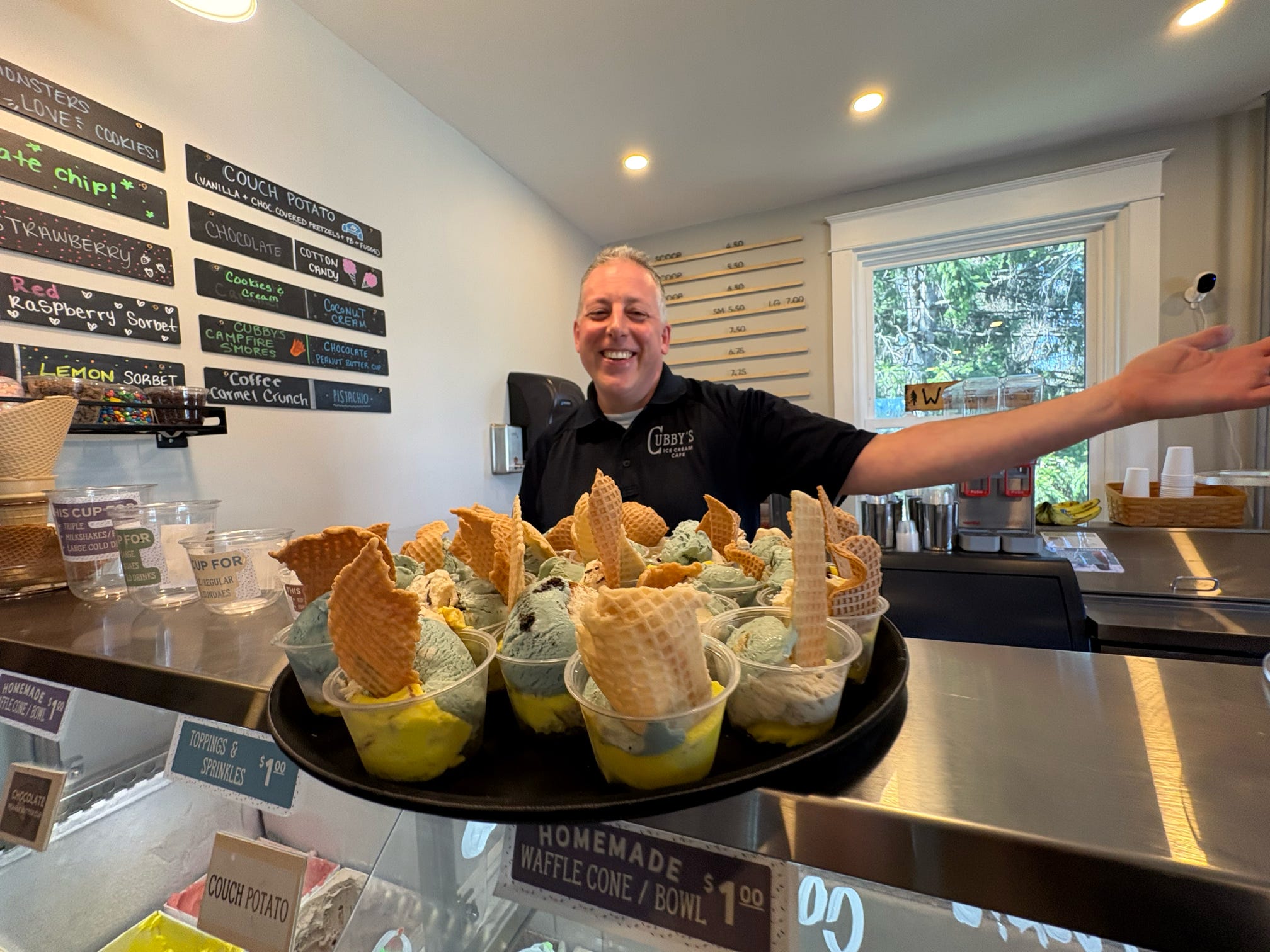
Where Local Businesses Come Alive
Whether you’re exploring your own town or visiting for the first time, we help you discover places you’ll remember, return to, and recommend.
Why shop local?
When you spend $100 at a local big box chain, about $20 is reinvested in the community. But when you spend $100 at a locally owned business, about $60 is reinvested in the community.
Shopping local:
Keeps money circulating locally, strengthening small businesses and the overall community economy.
Supports local jobs and entrepreneurs who are personally invested in their neighborhoods.
Builds authentic relationships between customers and business owners, creating trust and loyalty.
Preserves the character, culture, and uniqueness that make communities vibrant and memorable.
What our community is saying..
"First time doing the trolley food ride and it was FANTASTIC!! Was taken to places that I had never been to before and our guide did a Terrific job explaining everything and being our tour guide. Will definitely be doing this again since they go to different places. Don't miss the opportunity to experience this!"
★★★★★
Jeff W.
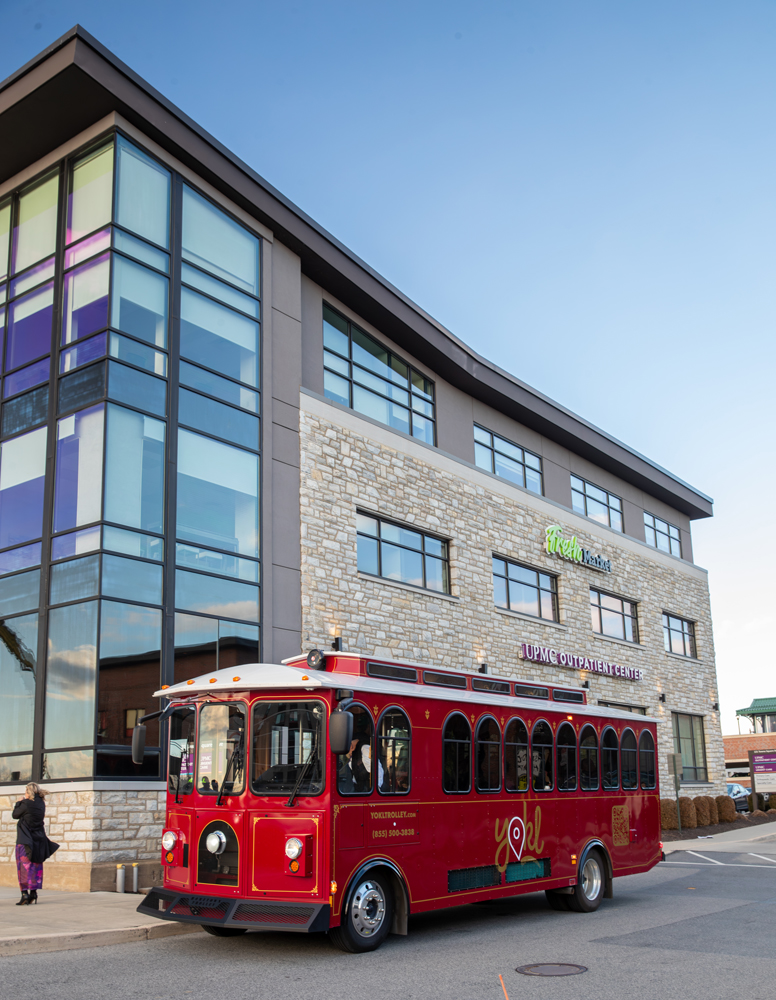
"We value our partnership with Yokl because they stregthen the community and bring new visitors to Englewood and Hershey on a regular basis.
Their team stays focused on service, clear communication, and creating a fun experience for every group. Yokl adds real value to the local scene."
★★★★★
David T.
"I brought my business students on the Yokl field trip and it was the highlight of the semester.
The first-hand exposure they had to local business owners was invaluable; it was something the students could't get in any other way. We'll be doing this again and again.. Thanks, Yokl!"
★★★★★
Darrell B.
How can Yokl help you?
Tell us a bit more...
Mon-Sat Open By Appointment
Sun (Closed)
Legends shop local.