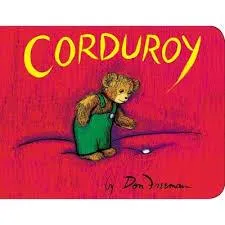
Corduroy
I recently read Corduroy by Don Freeman to my grandson. If you haven’t read it (or haven’t revisited it since childhood), Corduroy is a sweet story about a little bear waiting in a department store for someone to take him home. A young girl named Lisa falls in love with him, but her mom points out that Corduroy is missing a button therefor they shouldn’t buy him. Lisa comes back the next day with her own money, buys Corduroy, and sews on the missing button herself.
Corduroy was written in 1968. A few things in our society have changed since then. Let’s address them.
1. Teaching Kids the Value of Earning and Managing Money
Lisa buys Corduroy with her own money—money she must have earned or saved up. That’s powerful. Kids who grow up doing chores, babysitting, mowing lawns, or working part-time jobs tend to develop stronger financial literacy and a greater sense of responsibility. Studies show that kids who handle money early on are more likely to be financially secure and independent as adults. Plus, there’s a sense of pride that comes with saving up for something and making the decision to buy it yourself. That’s a life skill that pays off.
2. Teaching Useful Life Skills
After bringing Corduroy home, Lisa sews the missing button on his overalls herself. Let’s pause there. She doesn’t ask her mom, dad, or a nanny to fix it; she does it herself.
Lisa is probably 9 or 10 years old in the story, and yet she knows how to sew. She likely knows how to make a snack in the kitchen, maybe oil her bike chain, or even handle other basic tasks independently. Are we raising kids with that level of competence today?
3. The Importance of Shopping Local
Lisa’s trip to the department store was more than just a purchase—it was an investment in her local community.
At that time, most department stores were locally owned, not part of massive chains backed by private equity firms that siphon money away from communities. When Lisa bought Corduroy, most of that money stayed in her community,likely supporting the salaries of the shop employees, funding local schools, and helping maintain public services.
Today, when you shop at a big-box store or online giant, only about 14% of your money stays in the local economy. But when you buy from a locally owned business, up to 65% of your money stays local. That money helps fund schools, maintain parks, and keep local businesses thriving. It creates jobs, builds a stronger tax base, and ensures that unique, independent shops stay in business.
To Sum It Up, here are my lessons from Corduroy: Let’s let our kids earn money and learn to manage it, teach them useful, hands-on skills, and support local businesses and reinvest in our community.
And hey, if you find yourself needing to sew a button back on, don’t worry; if a 10-year-old with a stuffed bear can figure it out, you’ll be just fine. And if not, at least you can support your local tailor.
